Skip to content

All Levels

Common Crochet Mistakes—and How to Fix Them

Find the cause of uneven edges, changing stitch counts, and awkward fabric before a small crochet problem grows into a frustrating one.

By Purely Crochet Editorial Team · October 23, 2026 · 3 min read

Beginners · Crochet Techniques

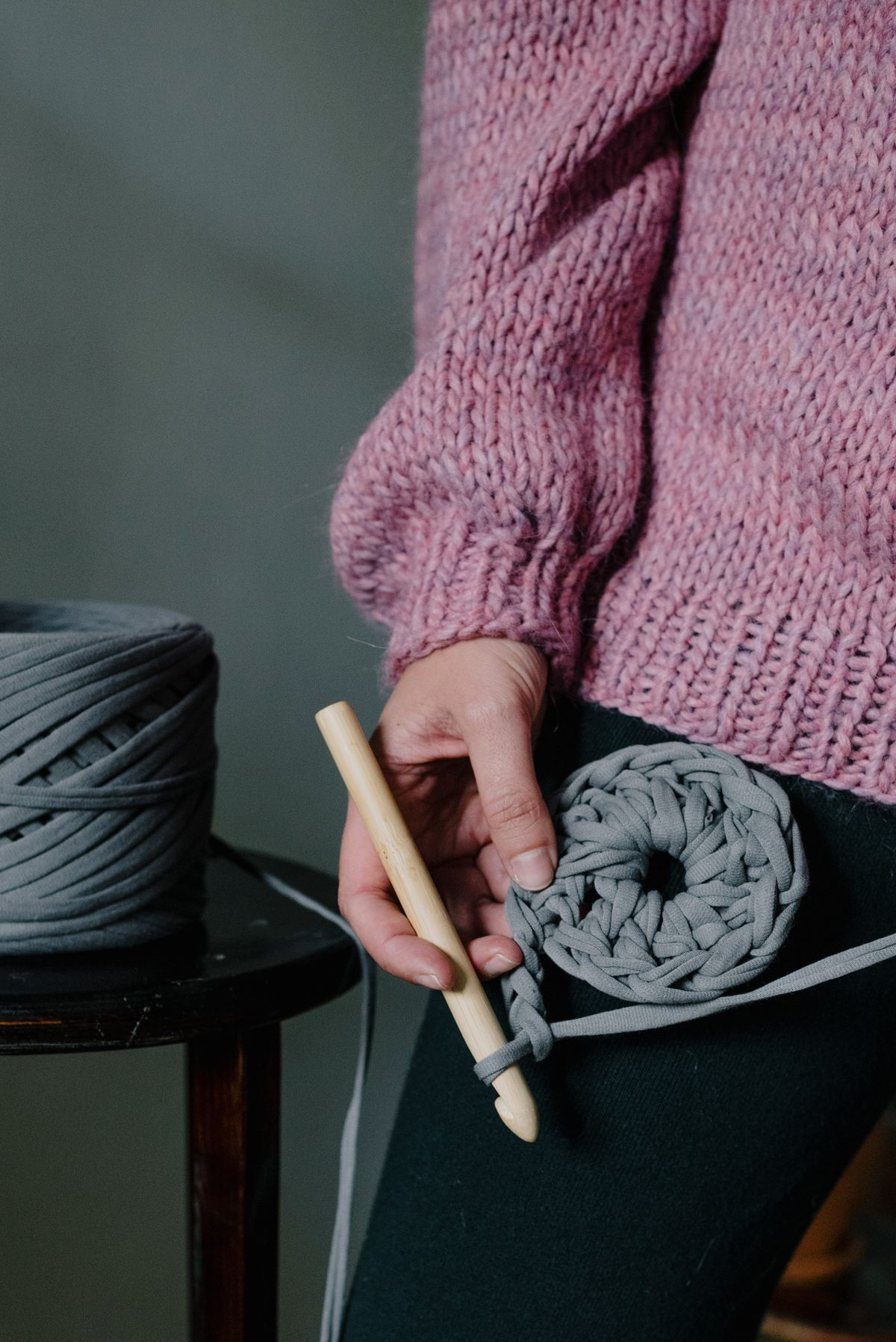
Hands crocheting grey yarn with a wooden hook

Craft inspiration · Photo by Ksenia Chernaya on Pexels

When your rectangle starts becoming a triangle

Rows that grow or shrink usually need a stitch-count check. Count the tops of the stitches along the latest completed row, then compare that number with the pattern. A turning chain is not automatically a stitch: the pattern should explain whether to count it and where to place the first stitch of the next row.

Put a marker in the first and last actual stitch. Move them as you finish each new row. This helps you recognize the edge even when a taller stitch or a dark yarn makes it difficult to see.

When the beginning edge feels too tight

A tight starting chain can draw the bottom of a piece inward. Make a short sample before restarting the whole project. Let each new chain sit on the full shaft of the hook, keeping the yarn relaxed. If necessary, try a slightly larger hook for the chain, then return to your working hook for Row 1. Measure the result rather than assuming a larger tool always fixes the problem.

When the yarn keeps splitting

Pause and examine how you insert the hook. Catching only part of the strand leaves loose fibers and can make stitches difficult to undo. Slow down as the hook enters the stitch and keep its tip aligned with the opening. A different hook shape or a smoother, more firmly twisted practice yarn may feel easier in your hands.

When the size is wrong but the count is right

Gauge describes the size of your stitches and rows. Count a measured area in a relaxed swatch, using the pattern’s stitch. If there are too many stitches across the specified width, try a larger hook; if there are too few, try a smaller one. Recheck after the swatch is cared for as the pattern directs. This is the standard adjustment described in the Craft Yarn Council’s gauge guidance.

When you find a mistake several rows later

First identify exactly what happened. Is there a skipped stitch, an accidental increase, or simply a loose loop? If the error affects shaping or fit, undoing back to it is often the cleanest solution. Place a marker in the last correct stitch before removing work, and pull out the yarn slowly so you can keep track of the stopping point.

Do not judge a project only by how much you have completed. A row you understand is more useful than five rows you are afraid to inspect. Count early, keep notes, and give yourself permission to correct a small problem while it is still small.

Share on Pinterest

Keep making