Skip to content

All Levels

How to Choose Yarn for Your Next Crochet Project

Choose yarn by the fabric you want to make, with a practical look at thickness, fiber, care, and the information on the label.

By Purely Crochet Editorial Team · October 23, 2026 · 3 min read

Beginners · Crochet Techniques

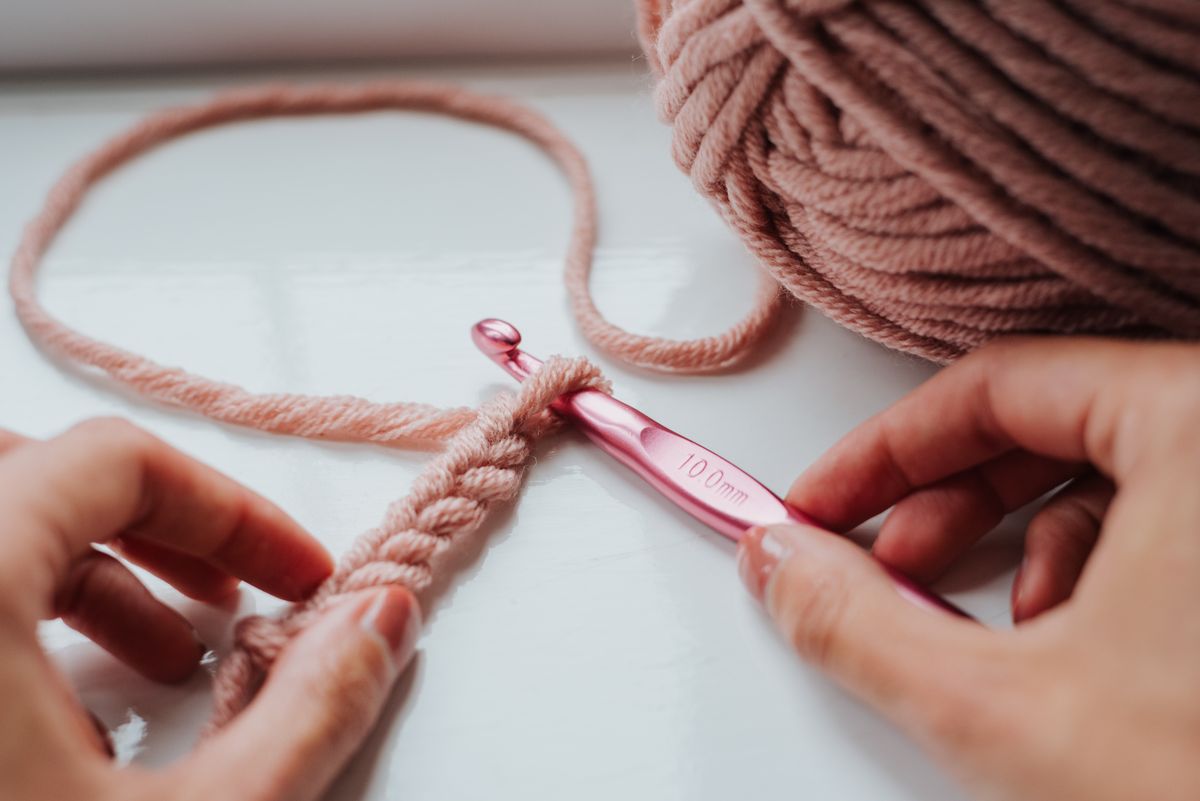
Yarn and a crochet hook beside a crochet project

Craft inspiration · Photo by Alex Preusser on Unsplash

Start with the finished object

Before choosing a color, imagine how the project needs to behave. A scarf should feel pleasant against your skin. A basket needs enough structure to hold its shape. A garment needs fabric that moves comfortably. These requirements give you a better starting point than selecting a yarn simply because it looks beautiful on the shelf.

If you are following a pattern, read its yarn, gauge, and finished-measurement notes first. Those details describe the fabric the designer intended. Substitution is possible, but a matching color and a similar ball size do not guarantee the same result.

Understand thickness

Yarn weight describes a thickness category, not how heavy the ball feels in your hand. The Craft Yarn Council’s system runs from category 0 through 7. Its suggested hook sizes are guidelines; a project’s gauge and intended texture should guide your final choice.

Two yarns in one category can still behave differently. Compare the strand, the recommended tools, and the fabric of a small sample rather than relying on the category alone.

Think about fiber and care

Handle the yarn and consider where the finished piece will be used. A resilient yarn may suit a stretchy accessory; a firm yarn may suit a structured object. Fiber content, twist, construction, and stitch choice all contribute to the result. When skin contact matters, hold a swatch against your wrist or neck before committing.

Read the care instructions early. If you need an easy-care gift, choose materials whose washing and drying requirements match the recipient’s routine. Keep the label with your project notes so the finished item can be cared for correctly.

Compare length, not just balls

Look for the length in meters or yards. A pattern requiring 400 meters cannot be matched reliably by buying “two balls” of a different yarn. Check the usable length per ball, calculate the total, and allow for swatching and reasonable variation. When dye lots are listed, matching them can help avoid unexpected shade differences within a project.

Make one small sample

Use the project’s stitch pattern and wash the swatch as you will wash the finished piece. Let it dry before judging its dimensions, feel, and drape. A few minutes of comparison can answer questions that a label cannot: Is it too stiff? Too open? Comfortable enough?

Keep a simple note of the yarn name, hook size, and what you liked. Over time, those notes become a useful personal library of fabrics, making the next choice feel much less like guesswork.

Share on Pinterest

Keep making